Category: Rats / Rodents

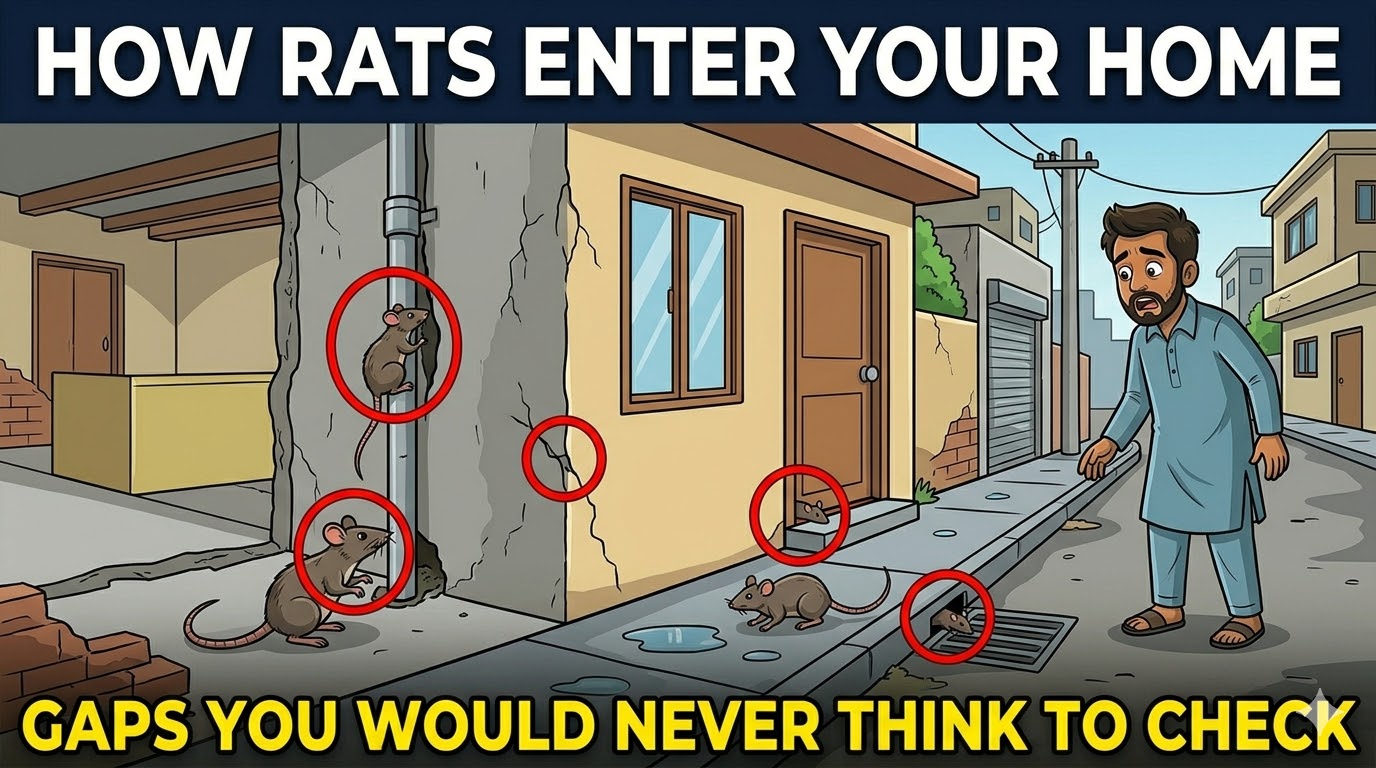
  • How Rodents Enter Karachi Homes Through Gaps You Would Never Think to Check

    How Rodents Enter Karachi Homes Through Gaps You Would Never Think to Check

    Most Karachi homeowners only notice a rodent problem after the damage is done — chewed wires, contaminated food, or the unmistakable sound of scratching inside the walls at night. But by the time you hear or see rats, they have almost certainly been living inside your home for weeks, possibly months. The question that rarely gets asked is: how did they get in?

    Rats and mice do not need large openings. A rat can squeeze through a gap as small as a 50-paisa coin, and a mouse requires even less space. In a city like Karachi — with its aging infrastructure, rapid construction, and monsoon-battered walls — there is no shortage of entry points. The troubling part is that most of them are in places homeowners never think to inspect.

    Why Karachi Homes Are Especially Vulnerable

    Karachi’s built environment is a near-perfect storm for rodent entry. Older bungalows in areas like PECHS, Nazimabad, and Clifton have decades of wear, with cracks along foundations, deteriorating sealant around pipes, and gaps that have quietly widened over years of ground movement and monsoon flooding. Newer apartment blocks in Defence, Bahria Town, and Gulshan face a different problem: rapid construction where utility conduits, drainage pipes, and service shafts are rarely sealed properly before handover.

    Add to this the density of Karachi’s street-level environment — open drains, garbage accumulation, roadside food stalls — and the city essentially has a continuous rodent population seeking the nearest available shelter and food. Your home is that shelter.

    The Hidden Entry Points Homeowners Consistently Miss

    1. The Space Around Utility Pipes

    Every home has pipes entering through walls — water lines, gas pipes, drainage, and electrical conduits. The gap between the pipe and the wall is almost never perfectly sealed. In Karachi’s older neighbourhoods, these gaps are often large enough for an adult rat to pass through without any difficulty. Even in newer construction, the sealant used is often a cheap mortar that cracks within a year. Check every pipe entry point in your kitchen, bathroom, utility area, and outside walls.

    2. Drain Pipes and Floor Drains

    This is the entry point that surprises most homeowners. Rats are excellent swimmers and can travel through sewer systems with ease. A floor drain in a bathroom, kitchen, or terrace without a functioning drain cover is a direct invitation. In areas connected to older municipal drainage infrastructure — which describes most of Karachi — the rat population in sewers is significant. Drain covers that are broken, missing, or simply light enough to be pushed aside are exploited regularly.

    3. The Gap Under External Doors

    A gap of just 6 to 10 millimetres under an external door is sufficient for a mouse and a young rat. Metal and wooden door frames in Karachi homes warp over time, especially with humidity and temperature variation. Main entrance doors, back doors, servant quarter doors, and garage doors are all potential entry points. Door sweeps — the rubber or metal strip at the base of the door — are rarely installed in Karachi homes, and when they are, they degrade and are not replaced.

    4. Air Conditioning and Exhaust Vents

    The wall penetration for split AC units creates a circular gap that, even when the AC pipe passes through, almost always has space on the sides. Exhaust fan openings that are not covered with mesh on the outside are another overlooked entry point. In Karachi’s summer months, when virtually every room has an AC unit, the number of unprotected penetrations in a typical home can be surprisingly high.

    5. Roof and Ceiling Access Points

    Rats are agile climbers. They can scale rough walls, run along electrical cables, and enter through openings near the roofline that homeowners never see because they never look up. Gaps where the ceiling meets the wall in storage areas, broken roof tiles in older bungalows, and open attic or water tank access hatches are all common points of entry. Black rats — the species often found in upper floors and ceilings — are particularly adept at accessing homes from above.

    6. Construction Joints and Expansion Gaps

    Modern construction uses expansion joints between slabs and walls to accommodate movement. These gaps run the entire length of a wall and can be several millimetres wide. Without proper sealing and maintenance, they become rat highways, especially at ground-floor level where they are most accessible from outside. In Karachi’s multi-storey buildings, these joints can run vertically as well, allowing rats to move between floors.

    7. Cable and Internet Entry Points

    The proliferation of cable TV and internet connections has created dozens of small wall penetrations in typical Karachi homes. Installers drill holes and feed cables through without sealing the surrounding space, leaving gaps that are invisible behind furniture but fully accessible from outside. Every cable entering from an external wall is worth inspecting.

    8. Gaps in the Plinth and Foundation Area

    The area at ground level where the wall meets the ground — the plinth — is vulnerable to rodent burrowing. In Karachi’s older localities, particularly in Lyari, Saddar, and Orangi, properties sit on foundations that have partially settled or cracked. Rats burrow along the plinth to access subfloor areas and from there into the home’s interior. Properties with gardens or that share a boundary wall with vacant plots are especially at risk.

    Seasonal Patterns in Karachi That Increase Risk

    Entry attempts spike at two specific times of year in Karachi. The pre-monsoon season (May to June) drives rats to seek higher ground as ground-level burrows begin to flood. Post-monsoon (September to October), when food sources in open areas diminish, rats move aggressively into homes and commercial properties. If you have not inspected your entry points before these seasons, this is the time to do it.

    What an Effective Inspection Looks Like

    A proper entry-point inspection requires getting low. Examine the base of all exterior walls, both inside and outside the property. Look at every pipe entry with a torch. Test the seal around AC units. Pull furniture away from walls periodically to check for cable holes. Inspect your drains. Climb to the roof level and examine the parapet and any openings around water tanks and service pipes.

    If you find gaps, seal them with materials rats cannot gnaw through — steel wool packed into the gap, followed by cement or expanding foam rated for rodent exclusion. Standard foam alone is insufficient; rats will chew through it within days.

    When DIY Inspection Is Not Enough

    Identifying all possible entry points in a Karachi home requires a trained eye. Professionals know not just where to look but what to look for — signs of active gnawing around gaps, grease marks on surfaces that indicate regular rodent travel, and droppings that confirm which areas are being used as entry corridors. Our team at Karachi Fumigation Services conducts thorough property inspections that cover every area described in this article and more.

    Taking the Next Step

    Finding and sealing entry points is the foundation of any effective rodent control plan. Without it, even the most thorough extermination effort will fail — new rats will simply move in through the same gaps. Combining structural exclusion with professional rodent control in Karachi gives you a lasting solution rather than a temporary fix.

    Book a Free Inspection Today

    Do not wait until you find evidence of a full infestation. Book a free property inspection with our team today. We will identify every entry point in your home, recommend the appropriate sealing strategy, and provide a complete rodent control plan tailored to your property’s specific vulnerabilities. Contact us now to schedule your visit.

  • Rodent-Proofing a Karachi Home: Structural Fixes That Stop Rats From Coming Back

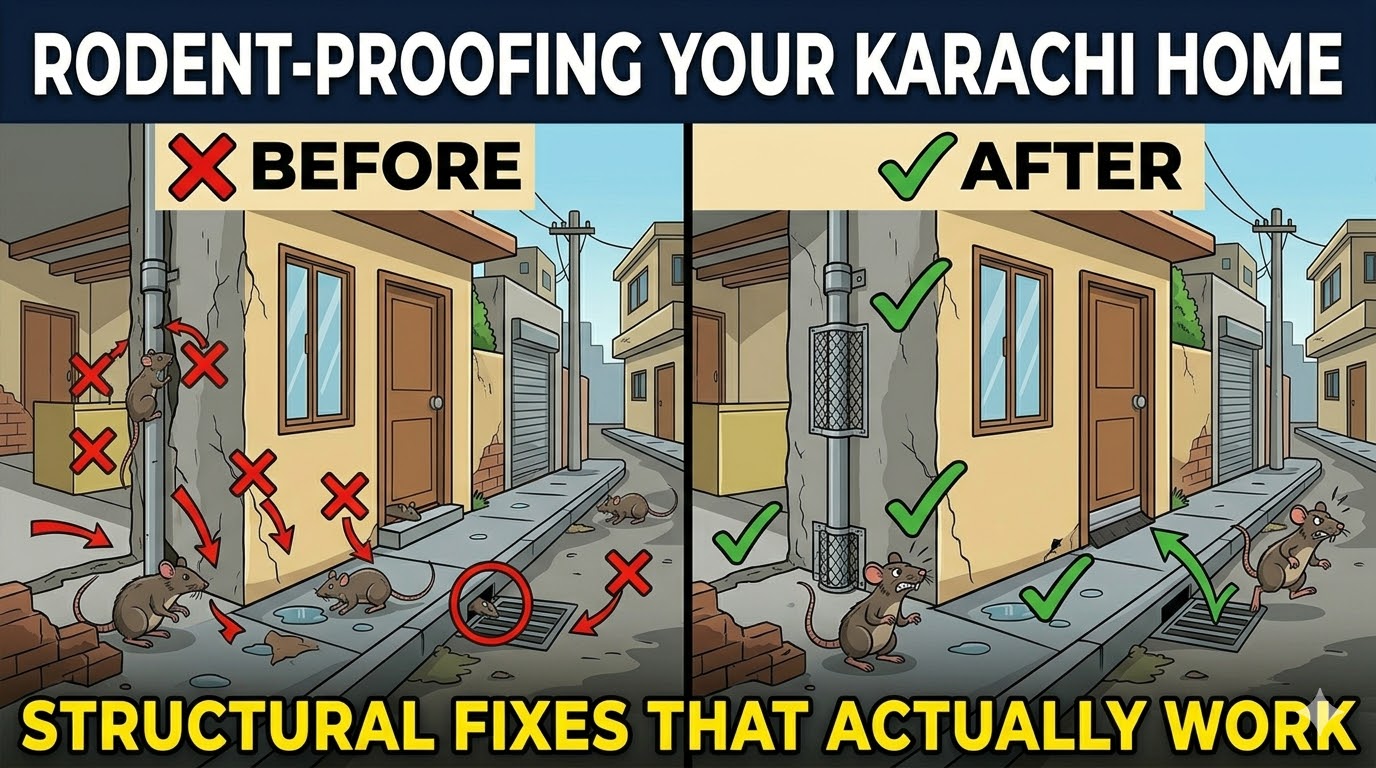
    Rodent-Proofing a Karachi Home: Structural Fixes That Stop Rats From Coming Back

    Getting rid of rats is one problem. Keeping them out permanently is an entirely different challenge — and the one that most homeowners in Karachi fail to solve. Pest control treatments eliminate the rodents currently inside your property, but without addressing the structural vulnerabilities that let them in, you are simply resetting the clock. In a city with Karachi’s population density, open drainage infrastructure, and year-round warm climate, the rodent pressure on any given property is constant.

    Rodent-proofing — also called exclusion — is the practice of physically modifying your home so that rats and mice cannot enter, regardless of how many are present outside. Done properly, it is the most durable and cost-effective form of rodent control available. This guide covers the structural fixes that actually work in Karachi conditions, using locally available materials and methods suited to our building types.

    Understanding What You Are Up Against

    Before fixing anything, it helps to understand rodent biology. Norway rats (the large, ground-dwelling species common in Karachi’s markets, drains, and residential areas) can compress their bodies to fit through a gap of 12 to 20 millimetres — roughly the diameter of a 1-rupee coin. Roof rats (the sleeker, climbing species found in attics, ceilings, and upper floors in areas like Gulshan-e-Iqbal and Clifton) can fit through a 12mm gap and can jump over 60 centimetres from a standing position. Mice require even less — 6 millimetres is enough.

    Rats can gnaw through soft mortar, plaster, wood, rubber, and standard caulk. Exclusion materials must therefore be physically impenetrable to gnawing — steel, concrete, and rated expandable mesh — not just gap-fillers that create an illusion of sealing.

    Step 1: The External Perimeter Audit

    Start outside. Walk the full perimeter of your property at ground level. You are looking for:

    • Cracks in the foundation or plinth area wider than 5mm
    • Gaps where pipes exit or enter through external walls
    • Spaces beneath main doors, back doors, utility room doors, and garage doors
    • Open weep holes in boundary walls (small gaps left for drainage in hollow brick walls)
    • Gaps where downpipes meet the wall or ground
    • Missing or broken drain covers at ground level

    Mark every gap you find. In Karachi’s older residential neighbourhoods, a single external inspection typically reveals between 8 and 20 separate entry points, many of which the homeowner had no awareness of.

    Step 2: Sealing Foundation and Plinth Cracks

    For cracks in concrete or brick at ground level, the appropriate fix is a cement-based repair rather than sealant. Remove loose material from the crack, clean the area, and fill with a stiff cement mortar mix. Pack it firmly and allow it to cure properly before considering the repair complete. For larger gaps — anything wider than 20mm — embed steel mesh (hardware cloth with openings no larger than 6mm) into the repair to prevent rats from gnawing through the mortar once it sets.

    In Karachi’s humid coastal climate, mortar repairs in outdoor or semi-outdoor areas benefit from a waterproofing additive to resist the deterioration caused by monsoon moisture and ground-level dampness. This is particularly important in properties in Clifton, DHA, and other areas with high water table levels.

    Step 3: Pipe Penetration Sealing

    Every pipe that enters your home through an external wall needs a properly sealed escutcheon — the cover plate around the pipe. In most Karachi homes, these are absent, decorative rather than functional, or have corroded and pulled away from the wall. The correct approach is:

    • Remove any existing escutcheon or sealant that is no longer functioning
    • Pack the gap around the pipe with coarse steel wool — rats cannot gnaw through it
    • Apply hydraulic cement or a quality mortar mix over the steel wool
    • Once cured, apply a bead of silicone sealant at the pipe-wall interface to close any remaining hairline gaps

    For large conduit openings (such as electrical cable bundles or drainage pipe clusters), use purpose-made pipe escutcheon plates with a backing foam rated for rodent exclusion, and secure them mechanically rather than relying solely on adhesive.

    Step 4: Door and Window Fixes

    Doors are among the most commonly overlooked entry points. In Karachi’s climate, wooden door frames swell and warp, creating bottom gaps that change with the season. Metal frames fare better but still develop gaps over time. For every external door, fit a door sweep — a metal or heavy-duty rubber strip that closes the gap when the door is shut. The sweep should compress against the threshold, not just rest against it.

    Windows in older Karachi homes often have deteriorated rubber or foam seals around the frame. Replacing these with fresh silicone bead and ensuring the window closes flush eliminates another entry route. Window fly screens with fine mesh (1.2mm or smaller) add an additional layer of protection for windows left open during evenings.

    Step 5: Drains and Sewage Points

    Drain covers are non-negotiable. Every open drain in your property — floor drains in bathrooms, kitchens, terraces, and utility areas — must have a functioning metal drain cover. The cover should be heavy enough that a rat cannot lift it from below, and the mesh should be fine enough that juvenile rats cannot pass through.

    For properties connected to the main Karachi sewage network, consider fitting rat blocker valves on the main drain outlet. These one-way devices allow wastewater to flow out but prevent anything entering from the sewer side. They are particularly valuable in areas with older, cracked sewer laterals where rodents move freely through the underground system.

    Step 6: Roof Level and Upper Floor Access

    Roof rats exploit any opening at height. Inspect:

    • Gaps around water tank pipes and inspection hatches
    • The junction between the roof slab and parapet walls
    • Any broken or missing roof tiles in older properties
    • Vents, exhaust outlets, and AC penetrations at upper floor level

    All vent openings at the roofline should be covered with 6mm galvanised steel mesh, secured with screws rather than adhesive. Check these annually — the mesh rusts in Karachi’s coastal air and can develop holes that allow entry.

    Step 7: Vegetation and External Structures

    Tree branches overhanging the roof provide a highway for roof rats to enter from above. Trim any branch that comes within 1.5 metres of the roofline. Creeper plants growing along external walls — a popular aesthetic choice in Karachi gardens — provide ideal climbing structure for both rat species. If you are serious about rodent-proofing, creepers on external walls must go.

    Stacked materials against external walls — firewood, old tyres, building materials, potted plants — create shelter and nesting sites directly adjacent to your home. Keeping a clear 50cm band around the exterior perimeter removes this harborage.

    Materials That Work and Materials That Don’t

    Many Karachi homeowners attempt DIY sealing with materials that rats simply gnaw through. For clarity:

    • Steel wool: Effective when packed firmly into gaps — rats cannot gnaw it
    • Hardware cloth (6mm galvanised mesh): Ideal for covering larger openings
    • Hydraulic cement / mortar: Durable for structural gaps, especially at plinth level
    • Silicone sealant: Good for finishing around sealed gaps — not a primary filler
    • Standard expanding foam: Ineffective alone — rats gnaw through it within days
    • Rubber or foam door seals: Only effective if the backing is secure and regularly maintained

    Why Professional Exclusion Work Delivers Better Results

    A professional rodent exclusion service does not just seal the gaps you can see. Trained technicians identify rodent travel paths using UV inspection, look for gnaw marks and grease trails that indicate active routes, and seal entry points in the correct sequence — ensuring that rodents being displaced by treatment have no alternative but to leave the property rather than relocate within it. Our rodent control service in Karachi combines treatment with a structural exclusion assessment, so you are not paying for pest control twice.

    As part of our work, we connect clients with trusted local contractors for structural repairs that go beyond what a pest control visit alone can address. This integrated approach is the only way to achieve lasting results in Karachi’s high-pressure rodent environment. Homeowners who have tried pest control services in Karachi without the exclusion component consistently report re-infestation within weeks.

    Maintenance Is Not Optional

    Rodent-proofing is not a one-time job. In Karachi’s climate, sealants degrade, steel mesh rusts, monsoon seasons create new cracks, and construction in neighbouring properties can disturb rodent populations that then seek new shelter in yours. A semi-annual inspection — before the pre-monsoon season and after the rains — is the minimum maintenance schedule to keep your exclusion work effective.

    Book a Free Inspection Today

    If you are ready to stop the cycle of repeated infestations, start with a professional assessment of your property’s structural vulnerabilities. Our team will conduct a free inspection, identify every entry point, and provide a detailed exclusion plan with practical, Karachi-specific solutions. Contact us today to book your free inspection and take the first real step toward a rodent-free home.

  • Rats in Karachi Warehouses and Storage Units: The Financial Damage Beyond Just Product Loss

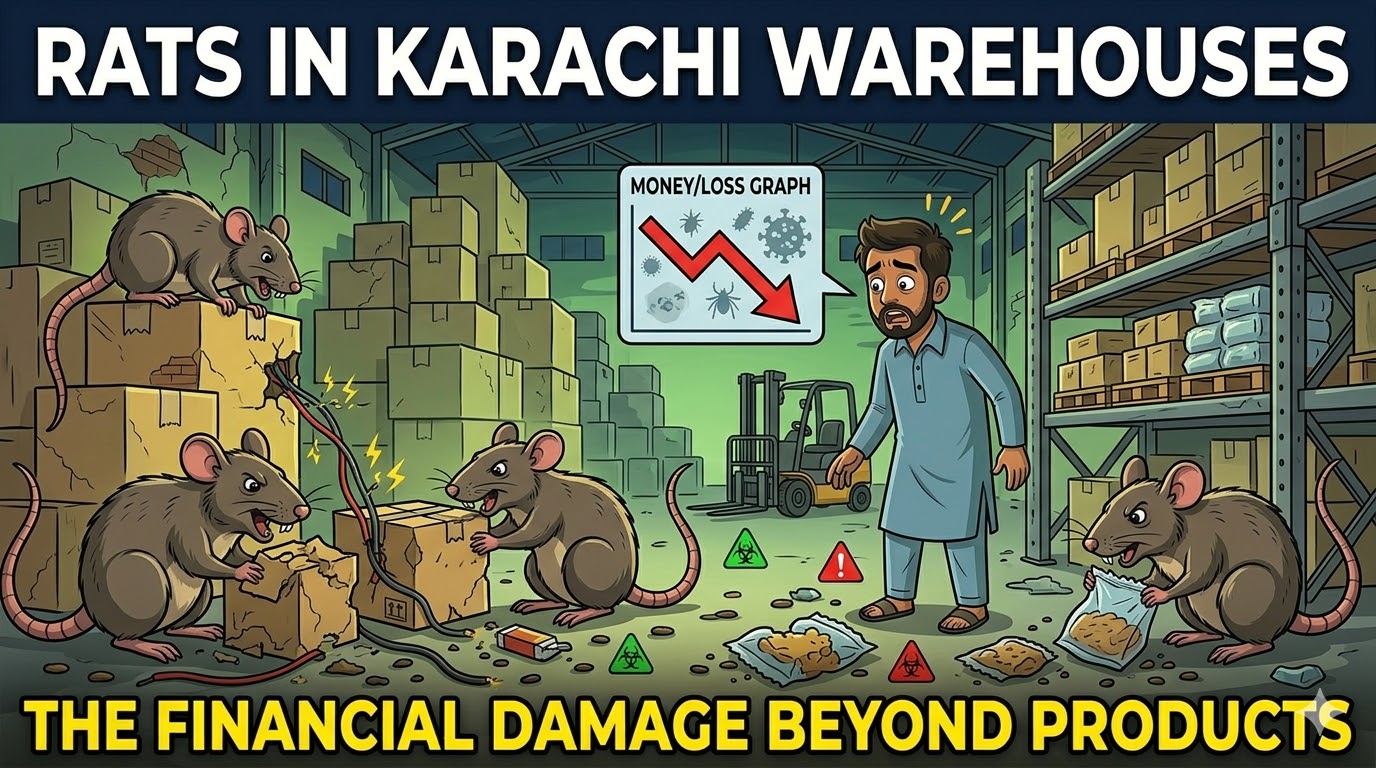
    Rats in Karachi Warehouses and Storage Units: The Financial Damage Beyond Just Product Loss

    When business owners in Karachi think about rat damage in their warehouse or storage facility, the first calculation is usually product loss: how many bags of grain, how many boxes of merchandise, how many items in inventory were chewed through or contaminated. That is the visible, immediately quantifiable damage. It is also, in most cases, the smallest part of the true financial impact.

    The full cost of a rodent infestation in a commercial storage environment extends across infrastructure damage, regulatory exposure, contractual liability, customer relationship consequences, and the operational disruption of dealing with an active infestation. For warehouses in Karachi’s major industrial and commercial zones — SITE Area, Korangi Industrial Estate, Landhi, Port Qasim — the stakes are considerably higher than most operators account for until the problem becomes serious.

    The Karachi Warehouse Environment: Why Rodent Risk Is High

    Warehouses and storage units in Karachi operate in an environment that is structurally favourable to rodent infestation. Large facilities in SITE and Korangi are often in buildings with significant age — structures built in the 1970s and 1980s with foundations, walls, and drainage systems that have never been comprehensively rodent-proofed. Loading dock areas, with their permanent gaps, frequent open access, and ground-level exposure, are effectively open invitations.

    The proximity of industrial areas to organic waste streams — the drainage channels running through industrial zones, the informal food vendors who feed shift workers outside facility gates, the organic waste from nearby food processing operations — creates a sustained external rodent population. A warehouse that has no rats today is simply a warehouse that has not yet been penetrated.

    Product Loss: The Visible Tip of the Iceberg

    Direct product loss is the damage most operators are familiar with. Rats chew through packaging to access food products, contaminate stored goods with urine and droppings, and nest inside product stacks in ways that render entire pallets unsaleable. For warehouses storing food, pharmaceuticals, or any product with hygiene-sensitive packaging, even minor contamination evidence can trigger a write-off of the entire affected lot.

    In Karachi’s food wholesale and retail distribution sector, warehouses storing flour, rice, sugar, edible oil, pulses, and packaged snack products are particularly vulnerable. Rats have a preference for high-calorie, high-carbohydrate foods and will locate and access these products even through multiple layers of packaging. A single night of active rodent foraging in a flour godown can render hundreds of kilograms of product unsellable.

    Electrical Infrastructure: The Most Expensive Hidden Cost

    Rats gnaw constantly — not to access food, but because their incisors grow continuously and must be worn down. Electrical cables are among their preferred gnawing targets, likely due to the texture and warmth of cable insulation. In a warehouse environment, the consequence of gnawed electrical cables extends far beyond the cost of replacing the wire.

    • Short circuits from damaged wiring are a primary cause of warehouse and storage facility fires in Karachi. The fire safety risk from an active rodent infestation is significant and often underappreciated.
    • Damage to industrial electrical systems — including control panels for automated systems, power distribution boards, and heavy equipment wiring — can cost hundreds of thousands of rupees to repair, with repair times that create extended operational downtime.
    • Insurance claims for electrical fire damage often face scrutiny if there is evidence of pest infestation, particularly if the insurer can establish that adequate pest control measures were not in place.

    For warehouses with refrigeration systems — common in food distribution, pharmaceutical storage, and electronics — rat damage to refrigeration unit wiring and insulation can mean both equipment repair costs and the loss of all refrigerated inventory.

    Structural Damage to the Building

    Rats burrow. In warehouse environments with concrete slab floors, they burrow beneath the slab — weakening the substrate over time and creating voids that can cause sections of the floor to crack or subside. In SITE Area warehouses, where many buildings are built on land with variable fill quality and where ground-level moisture is a year-round factor, subsurface rodent burrowing accelerates structural deterioration significantly.

    Roof rats damage insulation material in roofing cavities, creating both thermal efficiency losses and potential moisture entry points. They contaminate insulation with urine, which creates persistent odour problems and can degrade insulation performance. Replacing contaminated insulation in a large warehouse is a significant cost that can be avoided entirely with effective rodent control.

    Regulatory and Compliance Exposure

    For warehouses storing food products in Karachi, the regulatory risk from a pest infestation is substantial and often underestimated. Facilities registered with PSQCA (Pakistan Standards and Quality Control Authority) or operating under export certification face compliance requirements that include documented pest management programmes. Evidence of an active rodent infestation during an audit can trigger facility suspension, product holds, and the loss of certification.

    For businesses exporting to international markets, compliance requirements are even more stringent. Many international buyers and third-party auditors under FSSC 22000, BRC, or SQF standards require documented evidence of a professional, ongoing pest control programme. A warehouse that relies on informal or reactive pest control cannot meet these standards. The commercial consequence — loss of export contracts — dwarfs the cost of professional pest management many times over.

    Contractual Liability to Clients

    Third-party logistics operators and bonded warehouse facilities face direct contractual liability for goods damaged in their care. Rodent damage to a client’s stored inventory typically falls under the warehouse operator’s standard liability terms. For high-value goods — electronics, branded merchandise, pharmaceutical products, imported goods — a single contamination event can result in claims that are financially devastating for smaller operators.

    Even where contractual liability is limited by agreement, the reputational damage from a rodent-related product loss claim can end client relationships and generate negative references in an industry where reputation moves by word of mouth. In Karachi’s established industrial and distribution community, a facility known to have had serious pest problems faces years of reputational recovery.

    Operational Disruption Costs

    Dealing with an active rodent infestation in a warehouse is operationally disruptive in ways that do not show up on a damage assessment but absolutely affect the bottom line. Staff productivity decreases when they are working around evidence of rodent activity — the psychological impact of working in an infested environment is real. Inventory management becomes unreliable when goods must be inspected for damage before every dispatch. Emergency pest control callouts require operational access that can mean pausing or restricting normal facility operations.

    The Cost Comparison: Ongoing Control vs. Reactive Treatment

    The economics of professional pest management in warehouse environments are straightforward. A professional ongoing rodent control programme for a mid-sized Karachi warehouse, managed quarterly or monthly depending on the risk level, costs a fraction of the cost of a single serious infestation incident. Yet many operators continue to treat pest control as a reactive expense rather than a preventive one — calling for treatment only after visible damage has occurred.

    Our rodent control service in Karachi for commercial and industrial facilities includes facility-specific risk assessment, structural exclusion recommendations, ongoing baiting and monitoring programmes, and documentation suitable for audit and compliance purposes. We work across Karachi’s major industrial zones and understand the specific challenges of different facility types and locations.

    What a Proactive Warehouse Pest Programme Looks Like

    • Initial baseline inspection covering all potential entry points, harborage areas, and existing evidence of activity
    • Installation and ongoing management of tamper-resistant rodent bait stations at strategic perimeter and internal locations
    • Physical exclusion recommendations for loading dock areas, cable entry points, and floor-level penetrations
    • Documentation of all treatments, inspections, and findings — essential for regulatory compliance
    • Regular monitoring visits with service reports that can be provided to auditors and clients on request

    Facilities that implement this kind of programme almost entirely eliminate rodent-related losses. Those that do not will continue to absorb costs that, tallied honestly, significantly exceed the investment in prevention.

    Book a Free Inspection Today

    Whether you are managing a food warehouse, a distribution facility, or a general storage operation in Karachi, a free professional inspection is the practical starting point. Our team will assess your facility’s current risk level, identify the specific vulnerabilities in your building and operations, and provide a comprehensive rodent control proposal. Contact us today to schedule your free inspection and protect the full value of your business.

  • How Karachi’s Open Garbage and Street Food Culture Sustains the City’s Rat Population

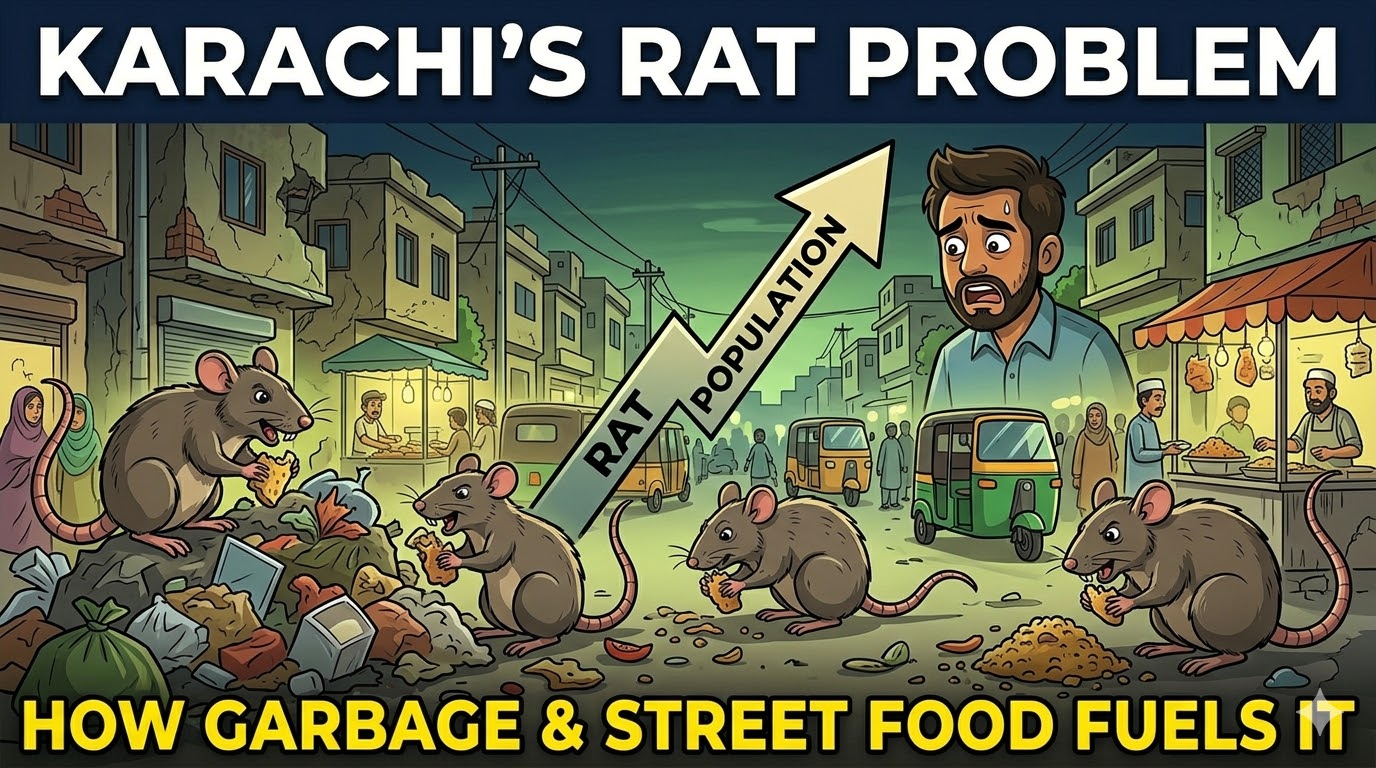
    How Karachi’s Open Garbage and Street Food Culture Sustains the City’s Rat Population

    Karachi is a city of enormous energy — its street food culture, its markets that run past midnight, its sheer density of human activity. These are part of what make it one of the most vibrant cities in Asia. They are also, from an ecological perspective, an unlimited food supply for one of the world’s most adaptable and resilient pest species.

    The rat population in a city is not static. It does not exist at some fixed level that pest control keeps in check. It expands directly in proportion to the available food supply and the number of safe nesting sites. Karachi provides both in quantities that make it, objectively, an ideal environment for rodents to thrive. Understanding this is not about being critical of the city — it is about understanding why individual households are under constant and sustained rodent pressure, even when neighbours on the same street have no visible problem.

    The Economics of Urban Rat Populations

    Rodent population ecology is relatively straightforward. A pair of Norway rats can produce up to 12 offspring in a single litter and breed multiple times per year. Young rats reach reproductive maturity in under two months. Under ideal conditions — adequate food, water, and shelter — a rat population can double in six to eight weeks.

    In practice, what controls urban rat populations is not pest control — it is food scarcity. Remove the food supply, and populations crash. Maintain an abundant, stable food supply, and populations stabilise at carrying capacity — the maximum number the environment can support. In most residential areas of Karachi, that carrying capacity is extremely high.

    Open Garbage: The Primary Driver

    Karachi’s waste management infrastructure has struggled to keep pace with the city’s population growth. In large parts of the city — including well-established neighbourhoods in Nazimabad, Liaquatabad, Orangi, Malir, and significant portions of Korangi and Landhi — garbage collection is irregular at best. Household waste accumulates in communal piles at street corners, in open lots, and along the edges of drainage channels.

    For rats, an open garbage pile is not just a food source — it is a complete ecosystem. It provides food scraps including meat, grains, vegetables, and cooked leftovers. It provides nesting material. It provides warmth from organic decomposition. And it provides cover from predators. A single sustained garbage accumulation point can support dozens of breeding rats simultaneously, with populations that spillover into surrounding homes as density increases.

    Even in areas where garbage is collected more reliably — such as DHA, Clifton, and Bahria Town — the period between collection and pickup creates feeding opportunities. Uncovered bins, garbage bags left on the street overnight, and the practice of disposing of food waste loose (rather than in sealed containers) all contribute to the same dynamic at a smaller scale.

    Karachi’s Street Food Infrastructure and Rodents

    Karachi has thousands of permanent and semi-permanent street food vendors — the dhabas, paratha stalls, chai tapri setups, chaat vendors, and the broader informal food economy that operates in every neighbourhood. This is a cultural and economic asset. It is also, from a pest management perspective, one of the most significant contributors to the city’s sustained rodent problem.

    Street food operations generate large amounts of organic waste: leftover food, cooking oil, used packaging, and food preparation scraps. This waste is typically disposed of informally — dumped into the street-side drain, scattered around the stall, or piled in whatever open space is nearby. Food preparation happens at ground level. Cooking surfaces and storage areas are rarely sealed against rodent access. The result is a dense network of feeding and nesting sites distributed throughout every commercial street and market area in the city.

    When these stalls close for the night, the rats that have been active in and around them do not simply disappear. They seek shelter in the surrounding structures — the walls behind the stall, the storage rooms of nearby shops, and the residential buildings on the street. This is the mechanism through which street-level rodent pressure translates directly into household infestations.

    Open Drainage Channels as Rodent Corridors

    Karachi’s open nalas — the drainage channels that run through residential areas throughout the city — serve a dual function in the rodent ecosystem. They are both feeding sites and movement corridors. Food waste washed into drains accumulates and provides a reliable nutrient source. The channel walls provide burrowing opportunities. And the channels themselves serve as protected pathways through which rats can travel long distances across the city without exposure to open ground.

    This is why infestations in areas adjacent to major nalas — such as properties near Gujjar Nala, Orangi Nala, and the drainage channels running through Malir and Korangi — tend to be more severe and more persistent than in areas where drainage is fully underground. The nala provides a population reservoir that constantly replenishes any reduction achieved by localised pest control efforts.

    Wholesale Markets and Their Neighbourhood Impact

    The areas surrounding Karachi’s major wholesale markets — particularly the food markets in Jodia Bazar, the Sabzi Mandi areas, the fish markets in Kemari and along the harbour, and the grain markets in Kharadar — have among the highest rat densities in the city. The food spillage, organic waste, and storage conditions in wholesale market environments create ideal conditions for very large rodent populations.

    These populations do not stay in the markets. As density increases and intra-species competition for food intensifies, rats disperse outward into surrounding residential areas. Properties within a 500-metre radius of major food markets in Karachi face a fundamentally different level of rodent pressure than properties further away. This is a structural feature of the city’s geography, not a reflection of any individual household’s cleanliness or maintenance standards.

    How This Affects Your Home Specifically

    Here is the practical implication for Karachi homeowners: even if your home is spotlessly clean, your food is perfectly stored, and your garbage is managed properly, you are living within a city ecosystem that sustains a large, active, and continuously reproducing rodent population. The rats in your walls or ceiling are not necessarily attracted to anything inside your home — they may simply have moved in because your home provides shelter adjacent to a food-rich environment outside.

    This distinction matters because it changes what effective rodent control requires. Cleaning up your own property is necessary but not sufficient. Structural exclusion — physically preventing rats from entering — is essential because the external pressure on your home will not reduce. And professional population control in and around your property may need to be an ongoing part of your home maintenance rather than a one-time event.

    What Homeowners Can Actually Control

    While you cannot change Karachi’s waste management infrastructure or shut down its street food culture, there are meaningful steps that reduce your home’s attractiveness within the broader urban ecosystem:

    • Store all household food — including dry goods, grains, and packaged items — in sealed, hard-sided containers
    • Ensure garbage is kept in sealed bins and not left accessible overnight
    • Keep the immediate perimeter of your property free of clutter, stacked materials, and organic debris that provides shelter
    • Address fruit trees and kitchen gardens that provide additional food sources at ground level
    • Work with neighbours collectively — street-level rodent pressure is a shared problem that benefits from coordinated responses

    The Role of Professional Pest Control in This Context

    Given the scale and structural nature of Karachi’s rodent food supply, professional rodent control in Karachi is not a luxury for homeowners who are experiencing a serious problem — it is a practical necessity for long-term property protection. A professionally managed rodent control programme combines population reduction, structural exclusion, and ongoing monitoring to keep pressure from the city’s broader rodent ecosystem from translating into a household infestation.

    Homeowners who rely on DIY solutions in Karachi’s rodent environment typically find that they are fighting a continuous, losing battle. Professional service provides the tools, expertise, and follow-up that household treatments cannot match. As one of the established fumigation services in Karachi, we work across the full range of Karachi’s neighbourhoods and understand the specific dynamics of different areas — from the high-density pressure zones near markets to the diffuse but persistent pressure in newer residential developments.

    Book a Free Inspection Today

    If you are ready to take the rodent situation in your home seriously, the first step is understanding what you are dealing with. Our free inspection service assesses the current state of your property, identifies risk factors specific to your neighbourhood and building type, and provides a clear action plan. Book your free inspection now and stop letting Karachi’s rodent ecosystem determine the conditions inside your own home.

  • What Diseases Do Rats Carry in Karachi and How Do They Reach Humans?

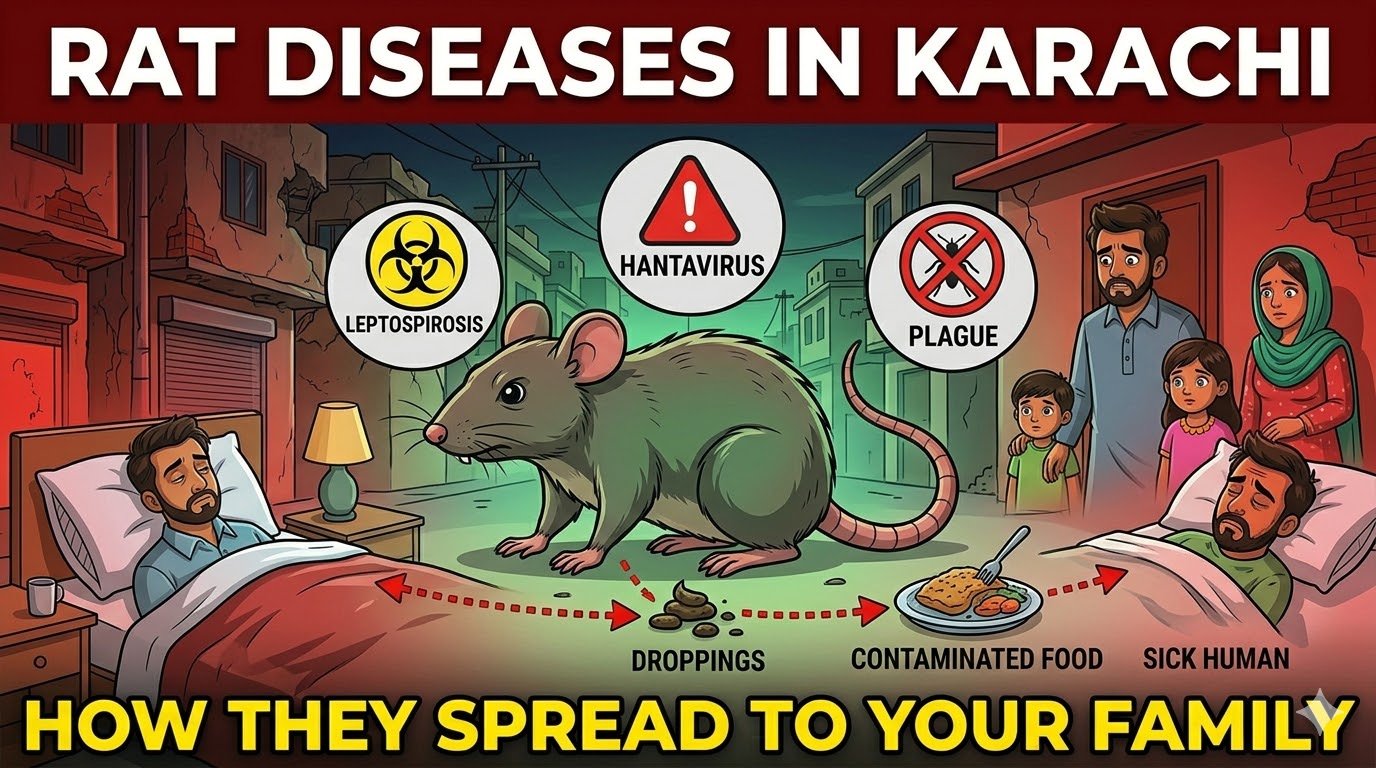
    What Diseases Do Rats Carry in Karachi and How Do They Reach Humans?

    Rats have coexisted with human settlements for thousands of years, and in that time they have served as vectors — carriers — for some of history’s most devastating diseases. In a contemporary city like Karachi, the health risks associated with rat infestations are not historical curiosities. They are active, documented, and relevant to any household, food storage facility, or business that has rats on the premises.

    The disease burden associated with urban rodent populations in Pakistan is not comprehensively tracked in the way it might be in countries with more robust public health surveillance infrastructure. But the pathogens rats carry are well-documented globally, and Karachi’s environmental conditions — warm climate, limited healthcare access in many areas, compromised water and sanitation infrastructure — create conditions under which transmission is more likely and consequences more serious than in cities with stronger public health systems.

    This article covers the key diseases rats carry, how each one reaches humans, and why Karachi households are specifically at risk.

    How Rat-Borne Disease Transmission Works

    Rats transmit diseases to humans through several distinct routes, which is why simply not being bitten is not sufficient protection:

    • Direct contact: handling a rat, being bitten, or coming into contact with rat urine or droppings with bare skin
    • Indirect contact: touching surfaces contaminated by rat urine or droppings, then touching the mouth, nose, or eyes
    • Consumption: eating or drinking food or water contaminated with rat urine, droppings, or fur
    • Airborne inhalation: disturbing dried rat urine or droppings, which aerosolizes particles containing pathogens
    • Secondary vectors: fleas, mites, and ticks that have fed on infected rats then bite humans

    In a household with an active rat infestation, all five of these transmission routes are potentially active simultaneously. This is what makes a rat infestation a genuine public health concern, not merely a nuisance.

    Leptospirosis

    Leptospirosis is arguably the most medically significant rat-borne disease in urban Pakistan. It is caused by Leptospira bacteria, which are shed in large quantities in rat urine. Rats carry the bacteria without showing symptoms, meaning a healthy-looking rat population is still actively infectious.

    In Karachi, the transmission risk is elevated for two specific reasons. First, the monsoon season floods streets, drains, and in some areas homes with water that has been in contact with rat urine in drainage infrastructure. Wading through or even contact with flood water during and after the monsoon carries a real leptospirosis exposure risk. Second, open drains and nalas — which run through residential areas throughout the city — carry rat urine from upstream burrowing and nesting sites into areas where children play and adults walk regularly.

    Leptospirosis presents initially as a flu-like illness with fever, severe headache, and muscle pain. In its severe form (Weil’s disease), it can progress to kidney and liver failure and is potentially fatal. It is significantly underdiagnosed in Karachi, as its early symptoms overlap with common viral illnesses and many patients do not seek care until the disease has progressed.

    Salmonellosis

    Salmonella bacteria are carried in rat intestinal tracts and shed in their droppings. In a kitchen, food storage area, or any space where rats are active, the contamination risk to food is continuous. Rats defecate while they move — not at a specific location — meaning that any surface they run across, including kitchen counters, food storage shelving, and the exterior of food packaging, can be contaminated.

    Salmonellosis causes gastroenteritis — nausea, vomiting, diarrhoea, and fever — and in young children, elderly individuals, and immunocompromised people it can become severe enough to require hospitalisation. Salmonella contamination from rats is particularly insidious because it leaves no visual sign. Food that looks clean may still be contaminated if a rat has run across the surface or nearby.

    In Karachi households where food is stored in kitchen cabinets or on open shelving — rather than in sealed, hard-sided containers — and where rats have access to the kitchen at night, salmonella exposure is a realistic risk that is experienced as what the family believes to be an ordinary stomach bug.

    Rat-Bite Fever

    Rat-bite fever is caused by Streptobacillus moniliformis bacteria and is transmitted through bites or scratches from infected rats, or through contact with rat urine and mucous secretions. Despite its name, a bite is not the only route of transmission — handling a rat or contact with its secretions is sufficient.

    In Karachi’s lower-income neighbourhoods where rat populations are densest and living conditions mean closer proximity to rodents, rat bites — particularly of sleeping children — are not uncommon. Rat-bite fever presents with fever, rash, and joint pain and, if untreated, can have serious complications. Awareness of it as a distinct illness (rather than simply a consequence of being bitten) is low, and treatment is often delayed.

    Hantavirus

    Hantavirus is transmitted primarily through inhalation of aerosolized particles from infected rat urine, droppings, or nesting material. It does not require direct contact with the rat. This makes it particularly dangerous in enclosed spaces where dried rat droppings accumulate — a storeroom, an attic, a rarely-used spare room, or a building that has been vacant.

    Hantavirus Pulmonary Syndrome (HPS) is severe, with high mortality rates if it progresses to the pulmonary phase. Awareness and diagnostic capacity for hantavirus in Pakistan is limited, meaning severe cases may be misdiagnosed or attributed to other causes. The practical implication for Karachi homeowners is that cleaning up rat droppings — particularly in an enclosed, poorly ventilated space — should never be done by sweeping or vacuuming, which aerosolizes the material. Appropriate respiratory protection and wet cleaning methods should be used.

    Plague

    The mention of plague may seem dramatic, but it is a documented disease in Pakistan, carried by rats and transmitted to humans through the bites of rat fleas (Xenopsylla cheopis). While Karachi does not have the epidemic levels of plague seen in some other countries, the presence of dense rat populations with their associated flea burden means that the biological chain of transmission exists. Sporadic cases of plague are documented in South Asia, and the conditions in parts of Karachi — dense rat populations, close human-rodent proximity, limited healthcare access — are the same conditions under which plague transmission occurs historically and currently in other parts of the world.

    Murine Typhus

    Murine typhus is caused by Rickettsia typhi bacteria, transmitted by rat fleas. It presents as a prolonged febrile illness with headache, rash, and sometimes severe systemic involvement. It is diagnosed periodically in Karachi and in other Pakistani cities, though like leptospirosis it is likely significantly underdiagnosed due to non-specific symptoms and limited clinical testing. Any household with a rat infestation also has a flea population — rats carry fleas, and those fleas can and do transfer to humans and household pets.

    Contamination of Food and Water Supplies

    Beyond specific named diseases, rat activity in kitchen and food storage areas causes a general contamination problem that affects household health even without a specific infection being identified. Rat urine and droppings contain a range of bacteria, viruses, and parasites that cause gastrointestinal illness. In Karachi households where rats have access to the kitchen — which in most cases with an active infestation means essentially all of them — the general hygiene standard of the food preparation environment is compromised in ways that correlate with elevated rates of the undifferentiated gastrointestinal illness that many families simply accept as normal in urban living.

    Protecting Your Family: Practical Steps

    • Never handle rat droppings with bare hands — use gloves and masks for any cleaning in areas with rodent activity
    • Avoid consuming food that may have been in contact with rat activity, even if visually undamaged
    • Store food in sealed, hard-sided containers — not in bags, open shelves, or cardboard boxes
    • Ensure children do not play in areas with evidence of rat activity
    • Consult a doctor promptly if you experience fever, severe headache, or muscle pain after known or suspected rat exposure
    • Address rat infestations professionally — the health risk is too serious to manage with inadequate DIY methods

    Why Professional Rodent Control Is a Health Investment

    The health risks outlined in this article reframe what rodent control actually is. It is not primarily about protecting food or property — it is about protecting people. An active rat infestation is an active disease risk, and the longer it continues, the greater the cumulative exposure. Professional rodent control in Karachi eliminates the population, removes the disease risk, and implements exclusion measures that prevent recurrence.

    As a provider of professional pest control services in Karachi we take the health dimension of rodent infestations seriously. Our approach addresses the complete problem — population control, exclusion, and sanitation guidance — rather than simply reducing the number of visible rats.

    Book a Free Inspection Today

    If you have evidence of rat activity in your home — droppings, gnaw marks, sounds in walls or ceilings — the health risk to your family is active right now. Do not delay. Book a free inspection with our team today. We will assess the extent of the infestation, identify the disease transmission risks specific to your property, and provide a comprehensive treatment plan to eliminate the problem and protect your household’s health.

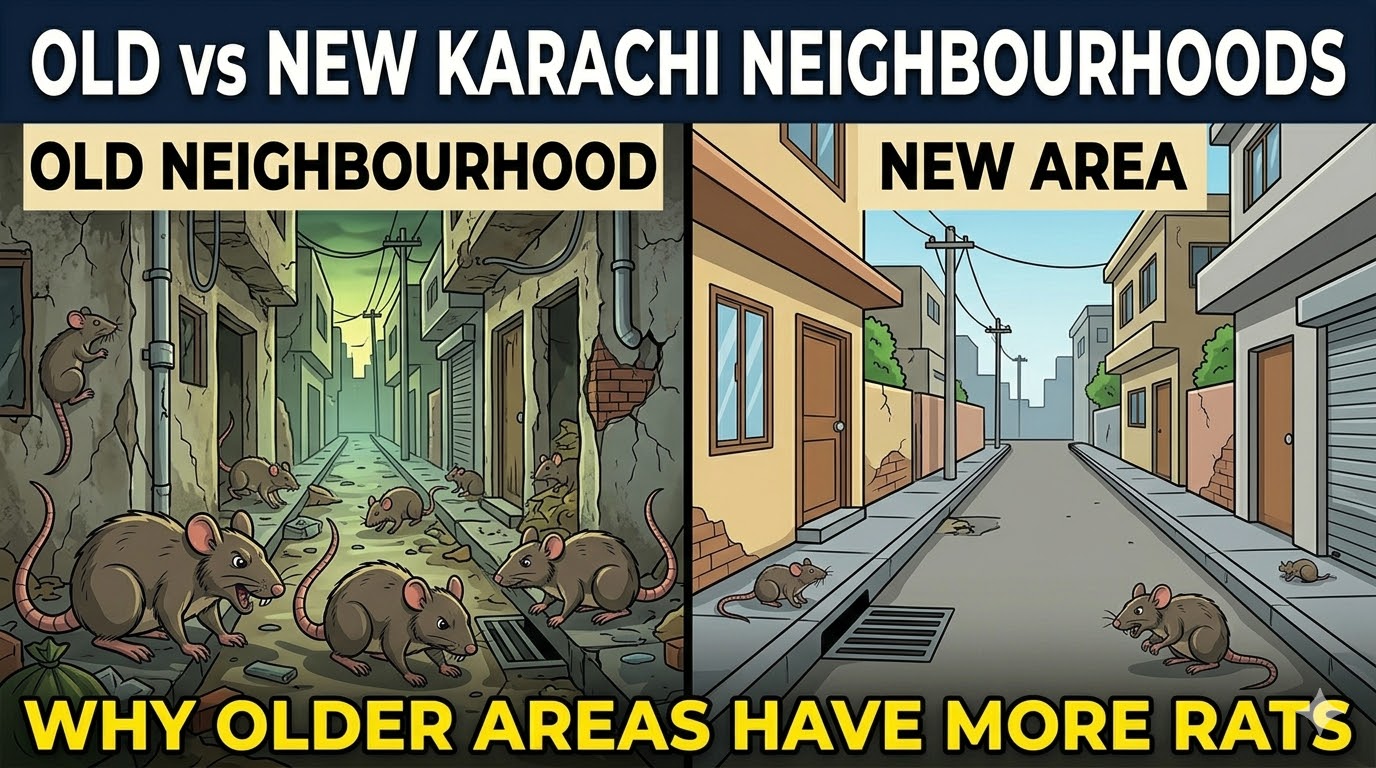
  • Why Karachi’s Older Neighbourhoods Have Worse Rodent Problems — and What Changes That

    Why Karachi’s Older Neighbourhoods Have Worse Rodent Problems — and What Changes That

    If you live in Nazimabad, PECHS, Liaquatabad, Saddar, Kharadar, or any of Karachi’s established older residential areas, you may have noticed that rodent problems here seem more persistent, more severe, and harder to resolve than in newer parts of the city. Neighbours compare notes. Professional pest control helps but the rats keep coming back. The building a few streets over seems to have the same problem. This is not coincidence, and it is not a reflection of any individual household’s maintenance standards.

    Karachi’s older neighbourhoods have structurally worse rodent problems for reasons that are embedded in the physical and urban fabric of the areas themselves. Understanding why is the first step toward changing it — both at the level of your own property and at the neighbourhood level. This article explains the specific factors that create persistently high rodent pressure in older Karachi localities and outlines what property owners and residents can actually do about it.

    Factor 1: Ageing Underground Infrastructure

    The most significant contributor to severe rodent problems in older Karachi neighbourhoods is the condition of the underground sewage and drainage infrastructure. Sewer systems in areas like Saddar, Lyari, PECHS, and Nazimabad were built during the mid-twentieth century for population densities far lower than exist today. Decades of use, inadequate maintenance, and the physical stress of Karachi’s ground conditions have left these systems with cracked pipes, collapsed sections, and open joints.

    For rats, a cracked or compromised sewer system is not an obstacle — it is a highway. Norway rats move freely through sewer networks and emerge through broken pipes and open joints into the soil beneath buildings, through floor drains, and directly into basements and ground-floor spaces. In newer areas with more recently laid sewer infrastructure — DHA Phase 8, Bahria Town, some parts of Gulshan-e-Hadeed — the sewer system is more intact and provides less direct access. The difference in above-ground rodent pressure is directly related to below-ground infrastructure condition.

    Factor 2: Building Age and Construction Standards

    Buildings constructed in the 1950s through 1980s in Karachi were not built with rodent exclusion in mind — neither the materials nor the construction standards of the era included systematic pest-proofing. Foundations are often rubble or brick, with irregular joints. Wall ties, pipe penetrations, and service entries were typically left with gaps sealed only with soft mortar, which has since deteriorated. Expansion cracks have developed across decades of ground movement and monsoon loading.

    A house in PECHS or Nazimabad that was well-maintained through the 1980s but has had limited structural attention since then will have accumulated dozens of small entry points that simply do not exist in buildings that were constructed more recently. This is not a criticism of the original construction or of subsequent maintenance — it is simply the physical consequence of building age in a demanding climate.

    Compound this with the common practice of informal additions — rooms added above the original structure, walls built against existing buildings, service pipes routed externally — and the number of unplanned gaps and penetrations in older properties grows further.

    Factor 3: Land Use Density and Mixed Development

    Older Karachi neighbourhoods are characterised by mixed land use in ways that newer planned areas are not. A residential street in Nazimabad or Liaquatabad will typically have ground-floor commercial units, food vendors, small workshops, garment operations, and residential apartments coexisting in a single block. This density of different uses creates a complex food waste environment at street level that supports very high rodent populations directly adjacent to residential spaces.

    The organic waste output from even a small number of food-related businesses — a single paratha stall, a fruit vendor, a small restaurant — is sufficient to sustain a significant rat population in the immediate vicinity. In a mixed-use block of the kind common across older Karachi, there are multiple such sources within a few metres of every residential unit. Controlling the rodent population in your home while those food sources persist outside is a perpetual rather than solvable problem unless it is addressed structurally.

    Factor 4: Shared Boundary Walls and Compound Infrastructure

    Many older Karachi properties share boundary walls, drains, and in some cases underground infrastructure with adjacent properties. This creates a situation where a rodent problem in one property cannot be fully resolved without addressing the adjacent ones. Rats burrowing under a shared boundary wall move freely between properties. A property that has been treated and sealed will be repopulated from the adjacent one within weeks if that property remains infested.

    In newer planned communities and apartment developments, the physical separation between properties is cleaner, and the shared infrastructure (lifts, common areas, service shafts) is managed collectively by building management. In older, organically developed residential areas, this collective management is largely absent, which means individual efforts to control rodents are partially undermined by the broader neighbourhood condition.

    Factor 5: Open Nala Proximity

    Many of Karachi’s older established areas were developed adjacent to or around the natural drainage channels that became the city’s nala network. Areas like Golimar, Liaquatabad, Orangi, and large parts of Korangi are in close proximity to open drainage channels. As noted in the broader article on Karachi’s rodent ecology, these nalas function as population reservoirs — supporting large numbers of rats in the channel environment and continuously generating dispersal pressure into the surrounding residential areas.

    Properties within 300 to 500 metres of an open nala face a fundamentally different baseline rodent pressure than properties further from the channel. No amount of individual property management eliminates this pressure — it can only be managed through a combination of exclusion, ongoing professional control, and, ideally, coordinated neighbourhood-level action.

    Factor 6: Historical Accumulation in Older Structures

    Rats that have been nesting in a building for generations leave behind material evidence — grease marks on frequently used runs, accumulated droppings in wall voids, and nesting material in cavities — that guides subsequent rat populations to the same locations. Older buildings with long histories of rodent activity have, in a sense, been ‘mapped’ for use by the local rat population. This is why infestations in older properties tend to recur in the same locations and why complete elimination requires not just population control but clearing the physical signs of previous activity.

    What Actually Changes the Situation in Older Neighbourhoods

    The factors above are structural, but they are not insurmountable. What changes the situation is a combination of property-level investment and, ideally, coordinated neighbourhood-level effort.

    At the Individual Property Level

    • Comprehensive structural exclusion — identifying and sealing every entry point using materials rats cannot gnaw through — is the most impactful single investment a homeowner can make
    • Upgrading drain covers and fitting rat blocker valves on main drain outlets eliminates the sewer access route
    • Addressing the building’s immediate perimeter — clearing clutter, eliminating ground-level harborage, maintaining a clear zone around the foundation
    • Engaging professional pest control on a maintenance basis rather than reactively — this is essential in older neighbourhoods where external pressure is continuous

    At the Neighbourhood Level

    The most effective improvements in older Karachi neighbourhoods come from coordinated action among a cluster of properties. This is more achievable than it sounds. A group of homeowners in a block who commission a collective exclusion and treatment programme get better results than any of them would individually, at a cost per household that is typically lower than individual contracts.

    Pressure on local bodies for improved drainage maintenance, covered nala sections, and reliable waste collection removes the environmental conditions that sustain the rat population. In areas where these improvements have been implemented — certain sections of DHA’s older phases, some managed housing societies in Gulshan and North Karachi — rodent pressure visibly decreases.

    The Role of Professional Assessment in Older Properties

    In older Karachi homes, a professional assessment is especially valuable because the history of the building shapes the specific rodent control strategy required. A trained technician can identify the established travel routes, the historical nesting sites, and the entry points that are being actively used — information that guides a targeted treatment and exclusion plan rather than a generic one.

    Our rodent control service in Karachi is specifically experienced with the challenges of older residential properties across the city’s established neighbourhoods. We understand that in PECHS or Nazimabad, the approach to rodent control cannot be the same as in a recently built apartment block — and we tailor our programmes accordingly.

    Whether you are looking for a one-time comprehensive treatment or an ongoing maintenance programme suited to the conditions of an older Karachi property, our team has the knowledge and local experience to make it work. We are proud to be among the trusted fumigation services in Karachi that understand the city’s unique urban environment and the specific pest pressures it creates.

    Book a Free Inspection Today

    If you are living in one of Karachi’s older neighbourhoods and dealing with a rodent problem that keeps coming back no matter what you try, the answer starts with a proper professional assessment of your specific property. Our free inspection service is designed exactly for this situation — we will examine the structural vulnerabilities of your home, assess the level of external pressure, and give you a clear, practical plan. Contact us today to book your free inspection and get a genuinely lasting solution.